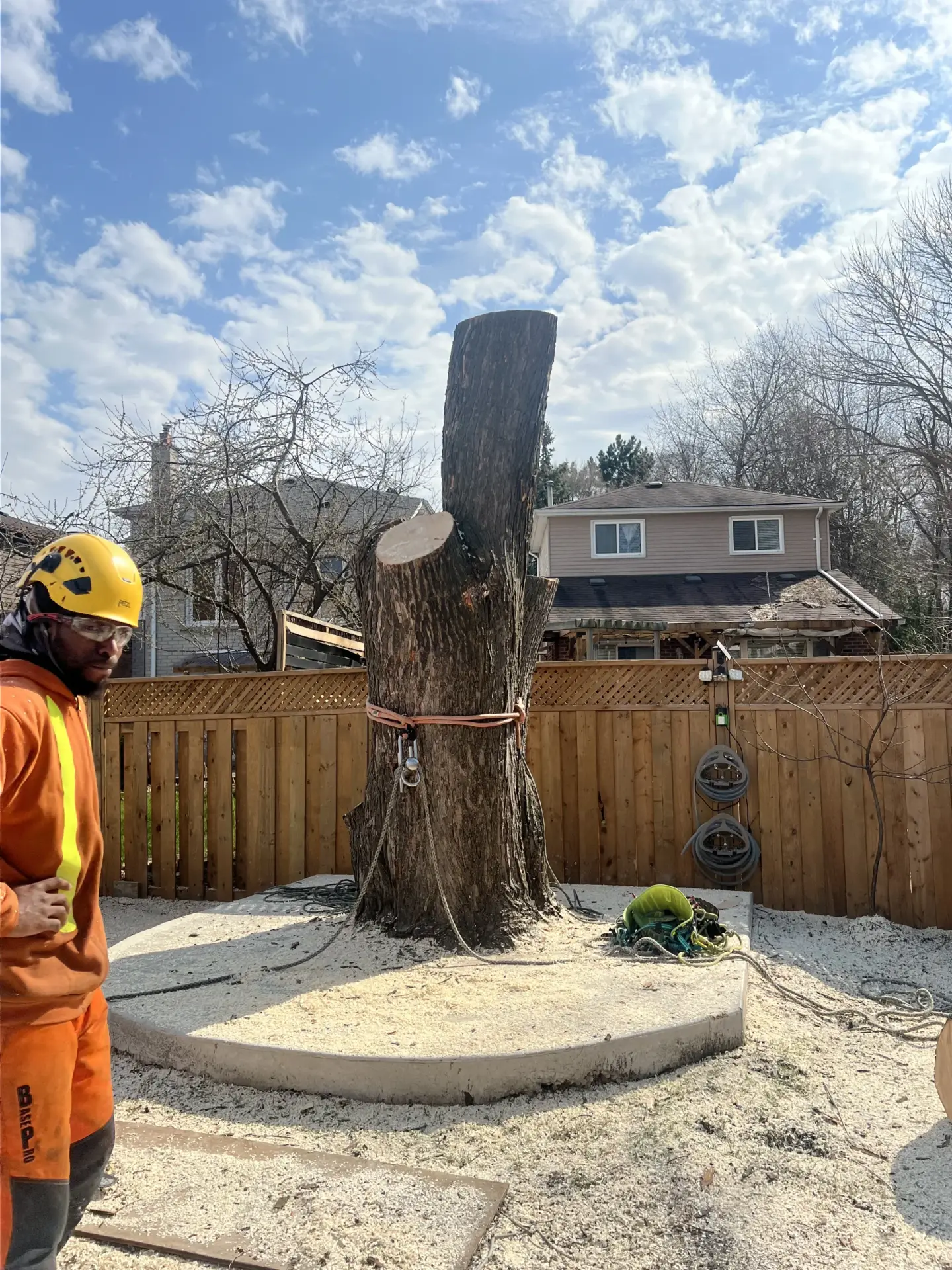
Tree Removal in Hamilton

When tree removal is the right solution, we complete every project with careful planning, complete control, and respect for your property.

What is Tree Removal?

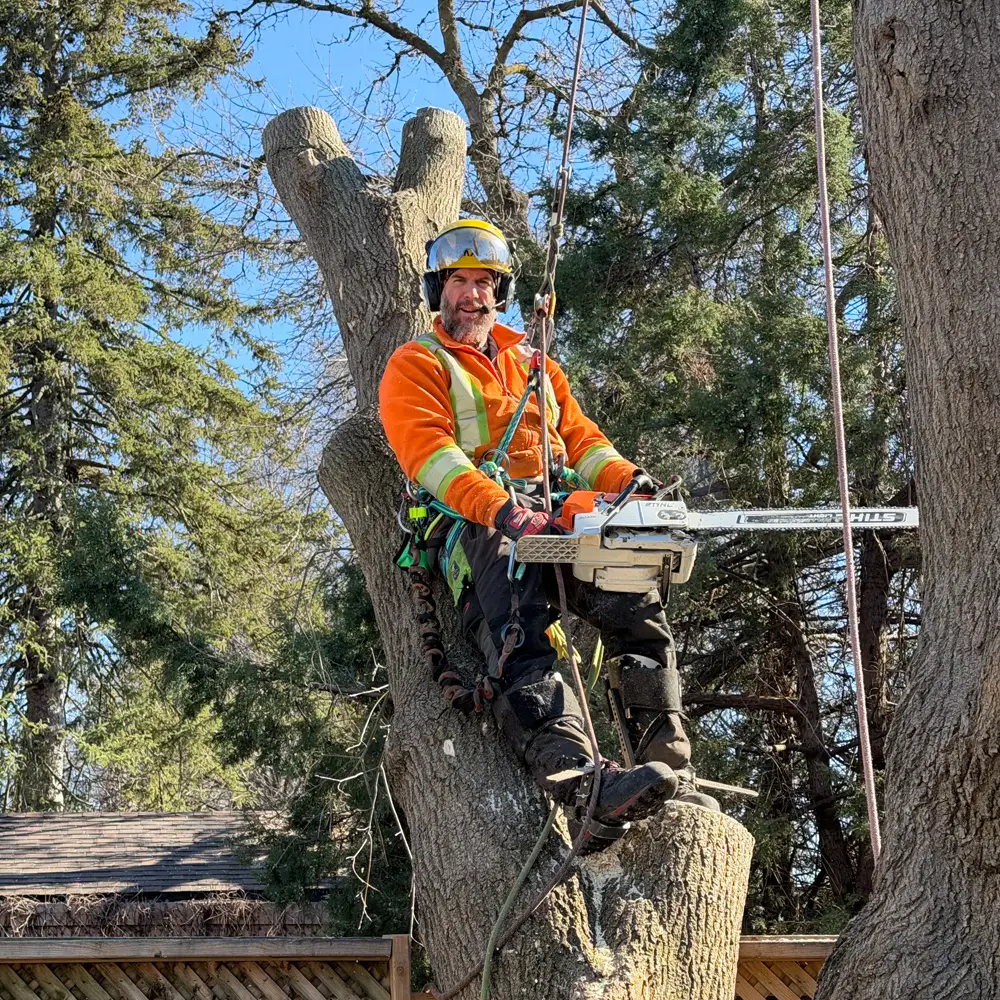
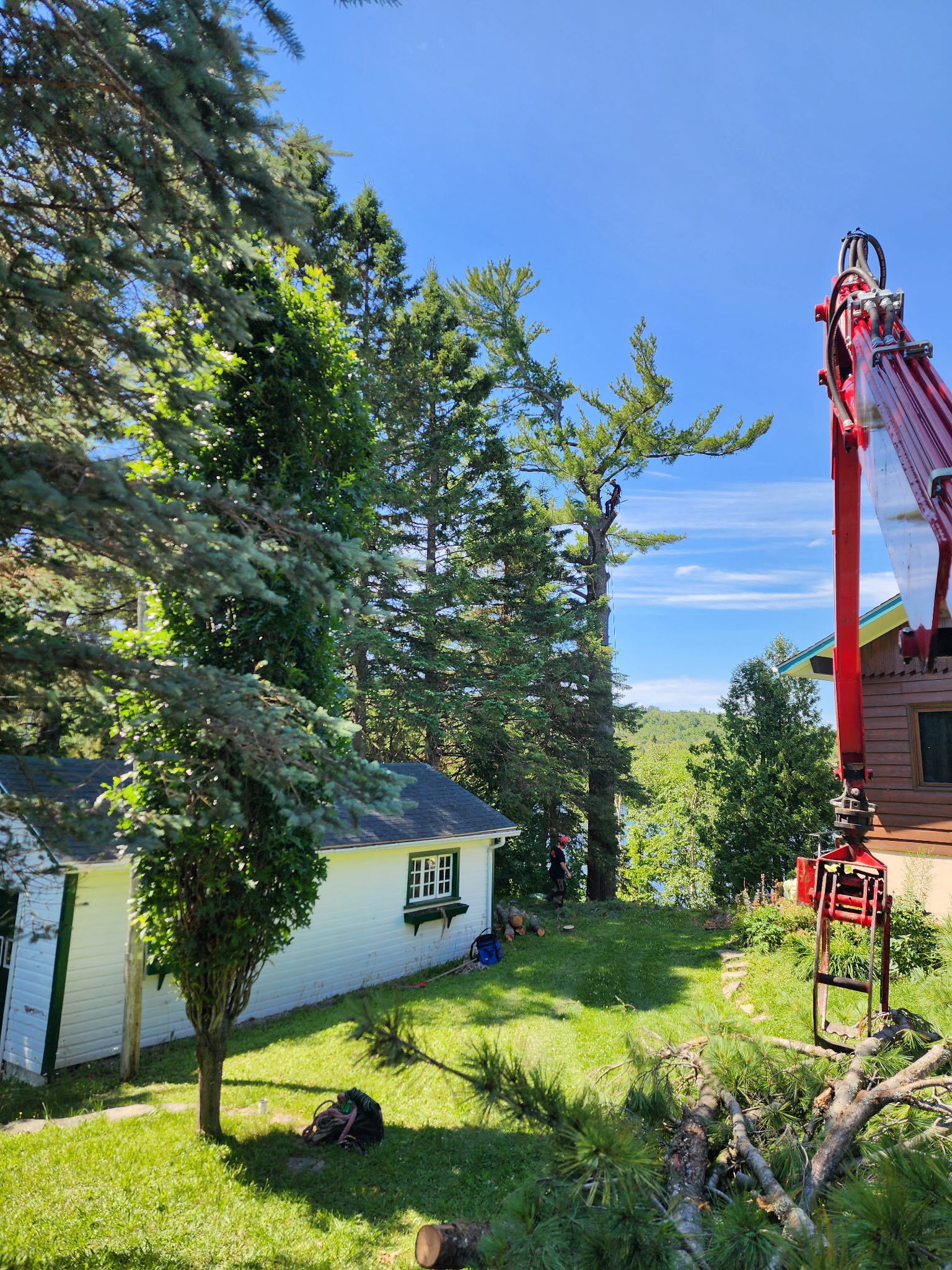
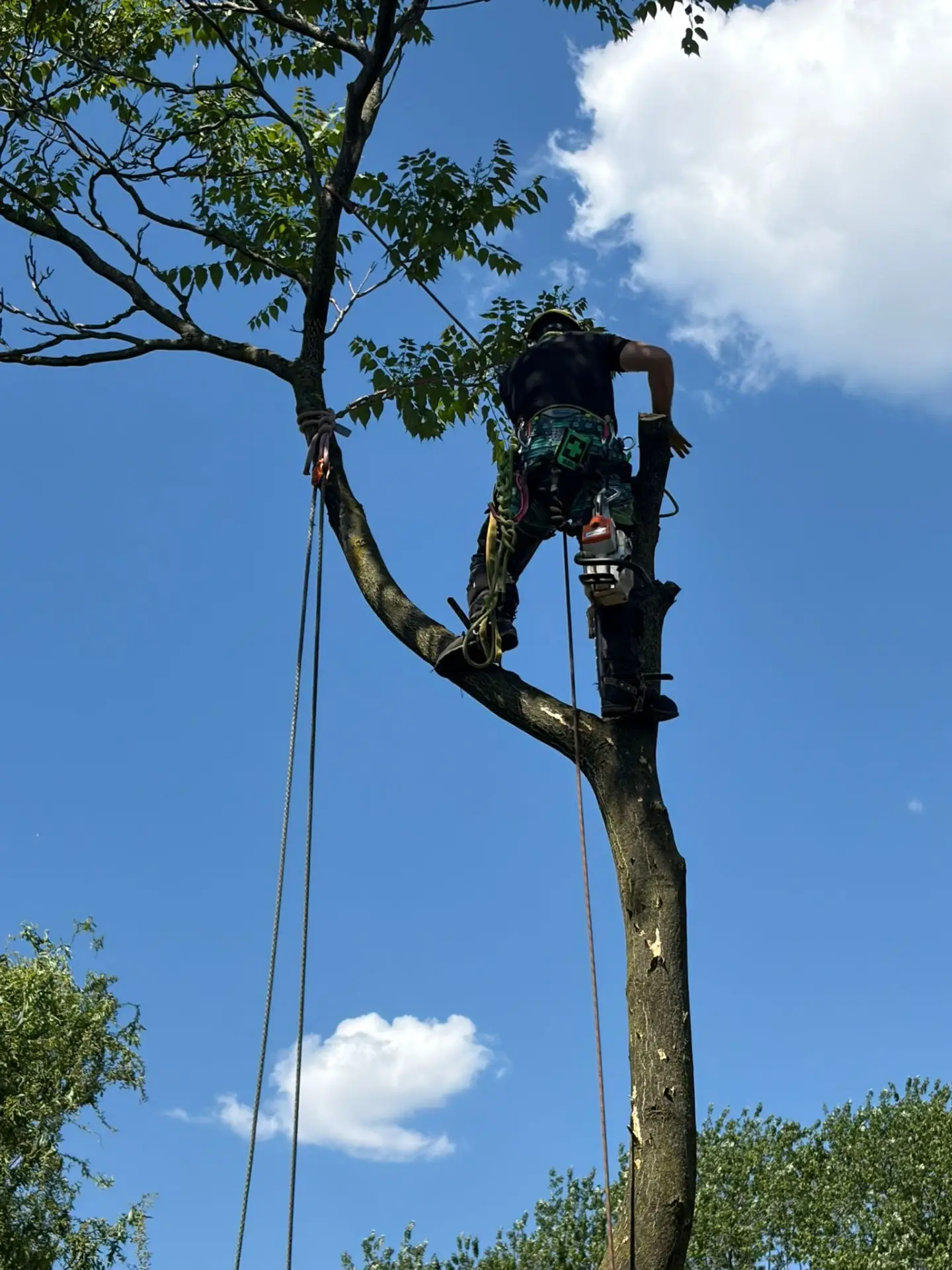
Tree removal is the careful dismantling of a tree that has become unsafe, is in irreversible decline, or is no longer suitable for its location. While some removals are straightforward, others require advanced climbing, rigging, or crane-assisted techniques to safely remove the tree without damaging nearby homes, fences, gardens, or other structures.

At SapBorn Tree Services, removal is never our first recommendation. If a tree can be safely preserved through pruning, cabling and bracing, or other arboricultural practices, we'll explain those options first. When removal is the safest and most responsible solution, we'll explain why, answer your questions, and complete the work with careful planning and complete control.

Ready to Book a Hamilton Tree Removal?

Our Tree Removal Service Tiers:

Every tree removal is different. The service levels below represent the planning, equipment, and level of customer involvement your project may require. Regardless of the service level you choose, our commitment to safety, professionalism, and protecting your property remains the same.

What Affects Tree Removal Pricing

Call (289) 981-0806 for emergency tree removal.

(Why choose sapborn)

Why Hamilton Homeowners Choose SapBorn

Strong Roots - Safe Hands - Clear Standards

When it comes to tree care, experience and honest advice matter. We take the time to assess each situation, explain the available options, and recommend solutions that prioritize safety, long-term tree health, and your property's needs. Whether we're pruning a mature tree, installing a cabling system, assessing potential hazards, or completing a complex removal, our focus remains the same: professionalism, clear communication, and treating your property with respect from start to finish.

(Lets work)

Every tree has a story. Let's see where yours is

Every tree is different. Every property is different. Lets find the right solution for yours.


  • Phone: (289) 981-0806
  • Email: info@sapborn.com
  • Proudly Serving The Greater Hamilton Area and surrounding communities

Tree removal is one of the few arboricultural services where some impact to the surrounding area can be unavoidable. Every property presents its own challenges, and factors such as the size of the tree, available access, nearby structures, weather conditions, and ground conditions all influence how the removal is planned.

Our approach is simple: there is zero tolerance for damage to your home, driveway, deck, fence, pool, surrounding structures, or nearby trees and shrubs. Every removal is carefully planned and executed to protect the things that matter most.

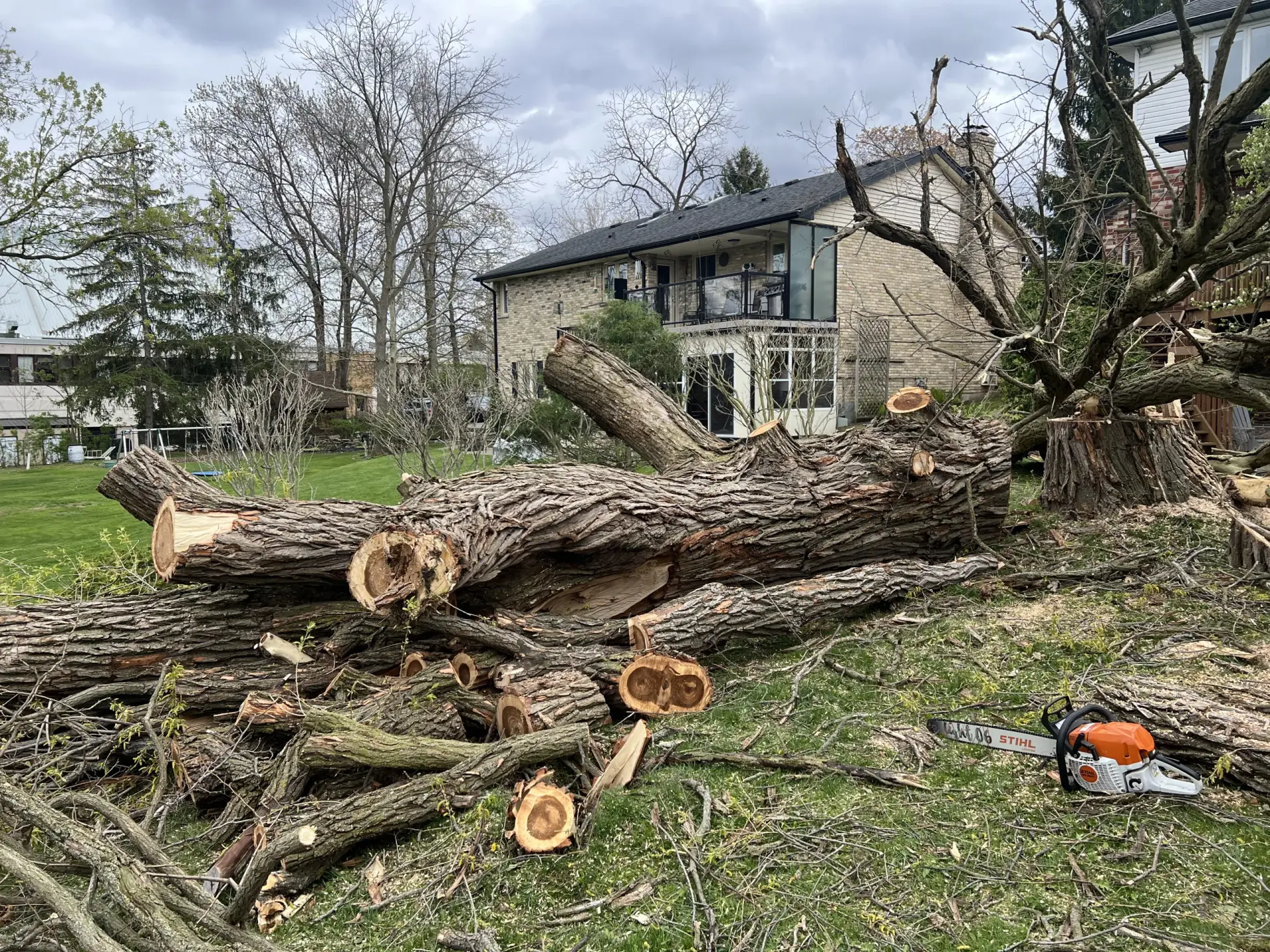
Lawns, flower beds, and garden areas are different. While we'll always take reasonable steps to minimize impacts, some temporary disturbance may be unavoidable depending on the complexity of the removal. During your consultation, we'll explain what, if any, impact should realistically be expected before any work begins.

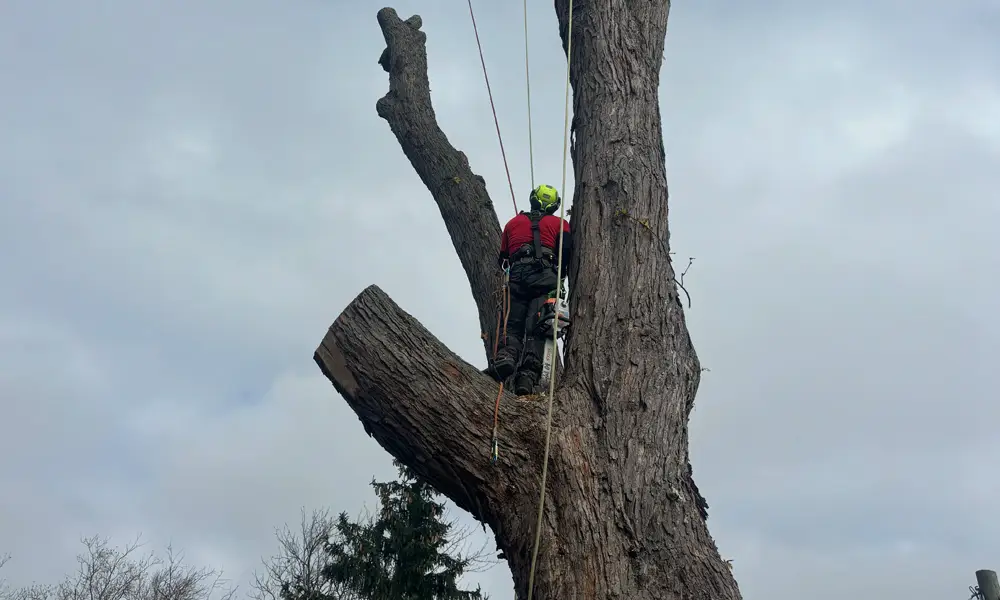
Not every tree with dead branches, decay, or visible defects needs to be removed. In many cases, corrective pruning, cabling and bracing, or ongoing monitoring can safely reduce the risk while preserving the tree.

Tree removal is typically recommended when the tree has become structurally unsafe, is in irreversible decline, has suffered significant root damage, or is no longer suitable for its location. Every tree is different, and no recommendation should be made without a proper assessment.

Our goal isn't to remove more trees—it's to help you make the right decision for your property. If your tree can be safely preserved, we'll tell you. If removal is the safest and most responsible option, we'll explain why.

In many cases, yes.

Depending on the tree's condition, corrective pruning, cabling and bracing, soil improvements, or routine monitoring may significantly reduce the risk while allowing the tree to remain safely in the landscape.

However, not every tree can or should be preserved. If a tree has become structurally unsafe, is in irreversible decline, or presents an unacceptable level of risk, removal may be the safest and most responsible solution.

Whenever reasonable alternatives exist, we'll explain them. If removal is truly necessary, we'll explain why.

Permit requirements vary depending on your municipality, the species, the size of the tree, and sometimes even the zoning of your property.

Before recommending a removal, we'll help determine whether permits or municipal approvals may be required. If they are, we'll explain the process so you understand what's needed before work begins.

Every tree removal is different. Factors such as the size of the tree, its condition, nearby structures, available access, equipment required, cleanup, and whether crane assistance or specialized rigging is needed all influence the final cost.

Two trees that appear similar in size can require completely different removal methods. That's why we provide written estimates based on an on-site assessment rather than using fixed pricing.

Not every quote includes the same level of planning, equipment, cleanup, insurance, or experience.

Some projects require specialized rigging, cranes, additional crew members, or significantly more time to safely protect nearby homes and landscaping. Others may include different cleanup expectations or leave debris on site to reduce costs.

When comparing quotes, it's important to understand exactly what is included. The lowest price isn't always the lowest overall cost if important details have been left out.

Two trees that appear similar in size can require completely different removal methods. That's why we provide written estimates based on an on-site assessment rather than using fixed pricing.

Yes. In fact, many residential removals involve trees growing close to homes, garages, fences, pools, or other valuable structures.

Depending on the situation, we may use sectional dismantling, specialized rigging, crane assistance, or carefully lower each piece by rope to safely control every stage of the removal. Every project is planned around protecting your property while completing the work as safely and efficiently as possible.

Yes. Winter is often an excellent time for tree removal.

Frozen or dormant ground may help reduce impacts to lawns, trees without leaves can be easier to dismantle, and winter weather often provides better visibility throughout the canopy. In many cases, winter removals can be completed just as safely and efficiently as during any other season.

Weather conditions are always considered before work begins to ensure the job can be completed safely.

Once a tree is removed, it won't grow back from the trunk. However, some species are capable of producing new shoots from the remaining stump or root system.

If preventing regrowth is important, stump grinding is often recommended. While the roots will gradually decompose over time, removing the stump significantly reduces the likelihood of new shoots developing.

It can.

Removing one tree changes the environment around the remaining trees. Increased sunlight, reduced competition for water and nutrients, and greater exposure to wind can all influence how neighboring trees respond.

In some situations, nearby trees benefit from the additional growing space. In others, newly exposed trees may require structural pruning or monitoring as they adapt to conditions they haven't experienced before.

Every property responds differently, which is why we evaluate the surrounding landscape—not just the tree being removed.

Some small trees can be removed safely by homeowners, but many trees are far more complex than they appear.

Hidden decay, internal cracks, uneven weight distribution, stored tension within branches, nearby utilities, and limited drop zones all introduce risks that aren't always obvious from the ground.

Before deciding to remove a tree yourself, it's worth considering not only your own safety but also the potential consequences for your home, surrounding property, and anyone nearby.

Absolutely.

Removing a tree is sometimes the safest and most responsible solution, but it isn't always the only one. If pruning, cabling and bracing, monitoring, or another arboricultural practice can reasonably reduce the risk while preserving the tree, we'll explain those options first.

It's also important to understand that tree risk can never be completely eliminated. Every tree carries some level of risk, just as every home, vehicle, or piece of equipment does. Professional arboriculture isn't about making that risk zero—it's about assessing it, reducing it where reasonable, and helping you understand what level of risk remains.

Ultimately, the final decision is always yours. Our role is to explain the condition of your tree, discuss the available options, and help you decide what level of risk you're comfortable accepting for your property.

Get Your Free Tree Assessment

No pressure. No upselling. We’ll come look at your tree properly and give you a clear written quote within 48 hours.

Contact Information
Brief Details